Otago Chasing First National University Sports Title in 16 Years
The University of Otago is heading into the final stretch of the 2026 national university sporting season with the chance to end a 16-year wait for one of the oldest prizes in New Zealand university sport - and potentially achieve something only one university has done before.
With six of the eight events in the University and Tertiary Sport New Zealand (UTSNZ) National Tertiary Championship Series now completed, Otago remains right in the contest for both the National Tertiary Championship Shield and Te Kaitiaki, the series' overall Spirit Award.
The combination is significant. Only the University of Canterbury has previously won both awards in the same year, completing the unprecedented Shield and Spirit double in 2023. With basketball and netball still to come, Otago is one of the universities in the hot seat as the close race for the two major awards heads towards its conclusion.
For Otago, however, the Shield carries more than just the significance of a 2026 title. The overall university sporting trophy was first contested in 1923, with Otago its inaugural winner. It retained the Shield in 1924 and has gone on to win it 36 times - more than any other New Zealand university.
There have been extraordinary periods of Otago dominance along the way, including seven consecutive Shield wins from 1952 to 1958 and another six in succession from 1963 to 1968. But despite that history, Otago has not lifted the overall Shield since 2010.
After a short period of no inter-tertiary sport, the University of Auckland dominated much of the period following it’s return, before Canterbury broke that run in 2023 and went on to win the Shield again in 2024 and 2025. A 2026 Otago victory would therefore return the national title south for the first time in 16 years.
Otago's case has been built on remarkable consistency across a wide range of sports this season.
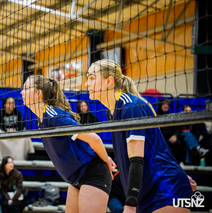
The year began with victory at the NZ University Rowing Championships at Lake Karapiro. From there, Otago finished second in the men's and third in the women's National Tertiary 3x3 Championships, before both its men's and women's volleyball teams claimed third place at the National Tertiary Volleyball Championships.
The National Tertiary Futsal Championships provided another major result. Otago's men were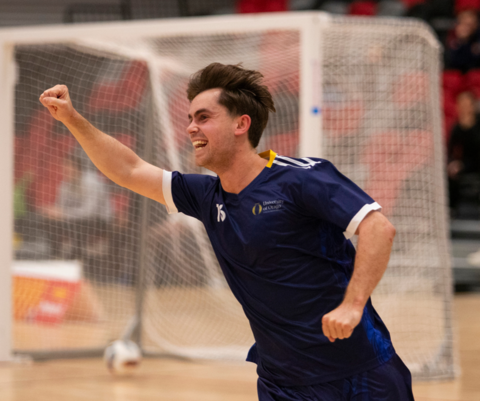 crowned national champions, while the Otago women finished runners-up. Most recently, Otago Toroa reached the final of the NZ Tertiary Ultimate Championships in Christchurch and finished second.
Otago's position in the Spirit Award race is equally noteworthy. Te Kaitiaki recognises more than results. It rewards the way university teams contribute to the championship environment, with students voting on values including kotahitanga, manaakitanga and rangatiratanga - togetherness, care for others and leadership.
Otago has been one of the most consistent universities in the Spirit standings as well. Its badminton team won the Spirit Award, Otago placed second for Spirit at volleyball, and third at both futsal and ultimate. It also finished fourth at rowing and sixth at 3x3. That means Otago has placed in the top three for Spirit at four of the six national championships completed so far - a level of consistency that has kept it firmly in the hunt for Te Kaitiaki with two events remaining.
What makes the 2026 campaign particularly notable is the way Otago's competitive university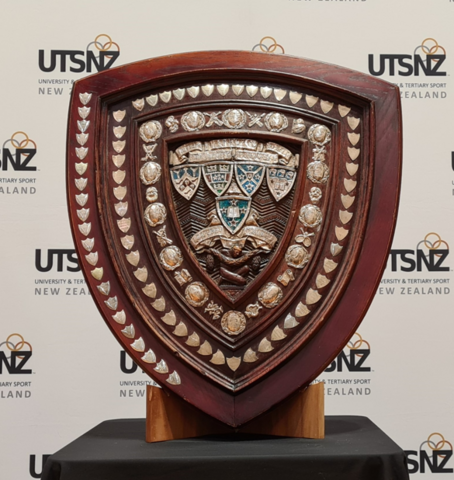 sport model operates. Compared with many other universities, organised inter-university sport at Otago is supported through a relatively decentralised structure, with regional sporting organisations, clubs, students, coaches, volunteers and the wider Dunedin and Otago sporting community all playing an important role in getting teams to national events and supporting them to perform.
That collective effort is helping Otago remain competitive against universities with more centrally resourced competitive sport programmes - and is a reminder that university sport is about much more than the scoreboard.
Sport brings students together. It creates friendships, identity and belonging, develops leadership and provides students with another way to connect with their university. It can also influence where students choose to study and the experience that encourages them to stay.
UTSNZ Executive Director Sarah Anderson said Otago's position showed the value of a strong sporting culture and the collective effort behind university representation.
"Otago's results this year have been outstanding, but what stands out is the consistency across very different sports. They have won rowing and men's futsal, reached finals in 3x3, futsal and ultimate, and put both volleyball teams on the podium. At the same time, they have been consistently recognised by the students they compete against for the way they participate and contribute to events."
"That matters because university sport is not just about winning. It is about students connecting with one another, representing something bigger than themselves and having experiences that become part of what they remember about university."
With just two events remaining, there is still plenty that can change. Basketball carries points across both men's and women's competitions, before the National Tertiary Netball Championship brings the series to a close and the Shield and Te Kaitiaki are presented after the final whistle.
For a university that has won the Shield more times than any other, 16 years is a long time to wait. Otago now has two events left to end that wait - and potentially finish the year with a rare national double.
Watch this space!
Next events:
- National Tertiary Basketball Championships - 11-13 September 2026 - Parakiore Recreation & Sport Centre, Christchurch
- National Tertiary Netball Championship - 26-27 September 2026 - AUT North Campus Recreation Centre, Auckland
View all Championship results and current standings here.
Posted: 9 Sept 2026